Metric vs Imperial: When to Use Which Converter
When working with measurements, understanding the difference between metric and imperial systems is crucial. A reliable converter tool bridges these two systems seamlessly, but knowing when to use each system can save you time and prevent errors. This guide explains both measurement systems and how our converter can help you navigate between them.
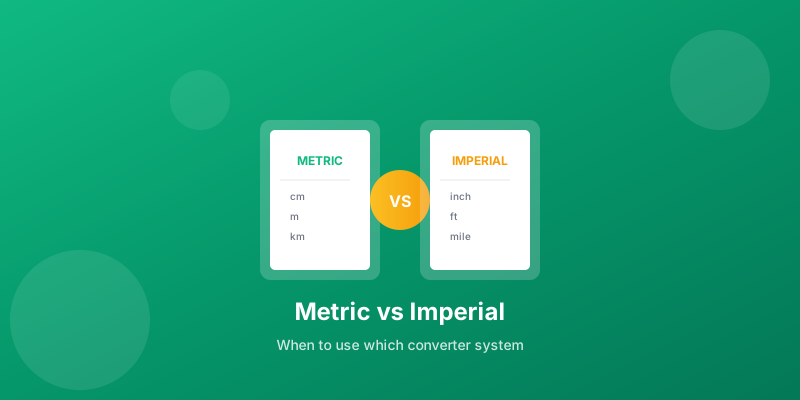
Understanding the Two Systems
The world uses two primary measurement systems: metric (used by most countries) and imperial (used mainly by the US, UK for some measures, and a few other nations). Our online converter supports both systems, making international communication and collaboration easier.
The Metric System
The metric system, officially known as the International System of Units (SI), is based on powers of 10. This makes the metric converter calculations straightforward:
- Length: millimeter, centimeter, meter, kilometer
- Weight: milligram, gram, kilogram, metric ton
- Volume: milliliter, liter, cubic meter
- Temperature: Celsius
According to the National Institute of Standards and Technology, the metric system is the standard for scientific research and international trade.
The Imperial System
The imperial system uses unit relationships that are less intuitive, making an imperial converter essential for accurate calculations:
- Length: inch (12 per foot), foot (3 per yard), yard, mile (1,760 yards)
- Weight: ounce (16 per pound), pound, stone, ton
- Volume: fluid ounce, cup, pint, quart, gallon
- Temperature: Fahrenheit
When to Use Each Converter
Use the Metric Converter When:
- Working internationally: Most countries use metric measurements, so our converter helps you communicate clearly.
- Scientific work: All scientific research uses SI units, requiring a reliable metric converter.
- Engineering: International engineering standards use metric, making a converter indispensable.
- Healthcare: Medical dosages and measurements are in metric, requiring an accurate converter.
Use the Imperial Converter When:
- US-based projects: Construction and real estate in the US use imperial, so use our converter accordingly.
- American recipes: US cooking uses cups and ounces, making a volume converter useful.
- Personal fitness in the US: Body weight is often measured in pounds, requiring a weight converter.
- Aviation: Altitude is measured in feet, so pilots need a length converter.
Historical Note
The United States is one of only three countries (along with Myanmar and Liberia) that haven't officially adopted the metric system as their primary measurement standard. However, US scientific and medical communities use metric, making a reliable converter tool essential.
Common Converter Calculations
Here are some of the most frequently needed converter calculations between metric and imperial systems:
Length Converter Quick Reference
- 1 inch = 2.54 centimeters (our converter handles this precisely)
- 1 foot = 30.48 centimeters (a common converter calculation)
- 1 mile = 1.609 kilometers (frequently used in our converter)
- 1 meter = 3.281 feet (essential converter conversion)
Weight Converter Quick Reference
- 1 pound = 0.4536 kilograms (popular converter calculation)
- 1 ounce = 28.35 grams (cooking converter essential)
- 1 kilogram = 2.205 pounds (body weight converter standard)
Temperature Converter Formula
The temperature converter uses a special formula:
- Celsius to Fahrenheit: °F = (°C × 9/5) + 32
- Fahrenheit to Celsius: °C = (°F - 32) × 5/9
Pro Tip
When using our converter, you can quickly verify your calculation by converting back to the original unit. If you get a slightly different number due to rounding, it confirms the converter is working correctly.
Industry-Specific Converter Uses
Construction Industry
Construction professionals often work with both systems. A length converter and area converter are essential when working with international materials or designs. Our converter tool ensures measurements are accurate for safety and precision.
Culinary Industry
Chefs and home cooks frequently need a volume converter and weight converter when adapting recipes from different countries. Our converter supports cups, tablespoons, grams, and more.
Healthcare
Medical professionals rely on metric measurements for precision. A weight converter is crucial for calculating medication dosages based on patient weight. The FDA recommends using metric measurements for all medical purposes.
Using Our Universal Converter
Our free online converter makes switching between metric and imperial simple:
- Select the converter type that matches your needs (length, weight, temperature, etc.)
- Choose your source unit (metric or imperial) in the converter dropdown
- Select your target unit on the other side of the converter
- Enter your value and get instant results from the converter
Start Converting Now!
Use our free converter to switch between metric and imperial measurements instantly!
Open Converter Tool